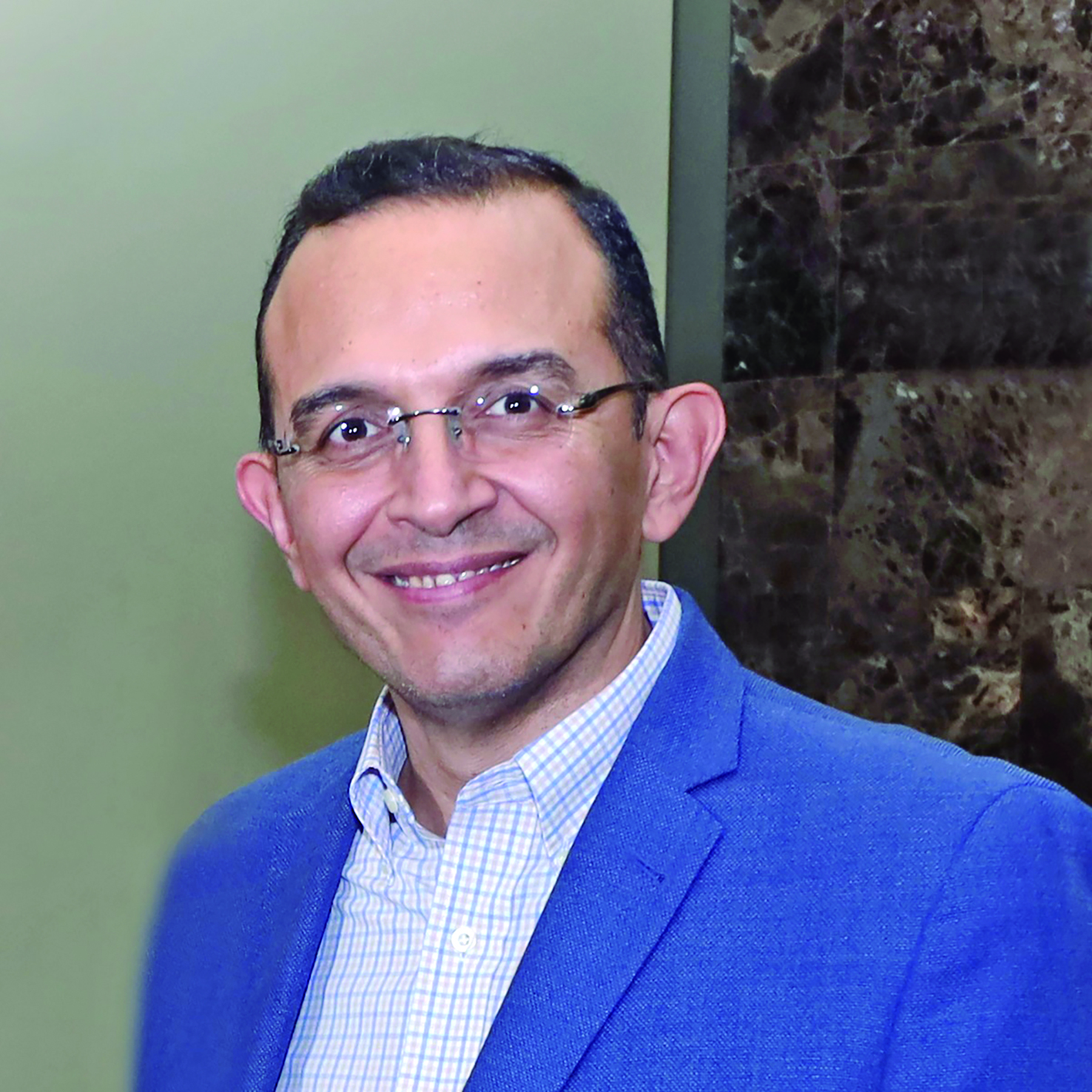
UTPP University Principal
As is widely known, PISA (Programme for International Assessment) is an international assessment conducted by the Organization for Economic Co-operation and Development (OECD). It examines what students around the age of 15 know and are able to do in science, reading, and mathematics. It also gathers information about their experiences and opinions. In 2025, the assessment placed particular emphasis on science, including environmental knowledge (OECD, PISA 2025 Results: Mexico).
Among Mexico’s results, one finding is particularly relevant to our purpose and work as a university: 85% of students report an interest in contributing to environmental protection through their future work. The average across OECD countries was 62%. This response reflects what students would like to do, regardless of the profession they eventually choose. For those of us who teach at the university level, this interest is worth considering as we reflect on the education and training students will receive in the coming years.
Furthermore, 86% of students in Mexico believe that collective action can help address environmental problems, compared with an average of 82% across OECD countries. This confidence helps explain why activities in which students, faculty members and civil society representatives work together are meaningful to them.
However, the results regarding knowledge are less encouraging: 50% of Mexican students reached at least the basic proficiency level in environmental science, compared with the OECD average of 74%. Comparing these figures reminds us that an interest in taking action must be accompanied by opportunities to learn. This underscores the importance of acknowledging what these results reveal, understanding their implications, and making decisions that strengthen young people’s environmental education.
Colombian sociologist Orlando Fals Borda argued that “research must emerge from the people and return to the people,” an idea that invites us to listen to those who know Puerto Peñasco through their work and experience. Fishermen, cooks, tourism and service providers can help us understand how our landscapes have changed and how tourism and gastronomy are connected to the sea, the desert, and local traditions. This knowledge matters both to those of us who live here and to those who visit our community.
This year, the Universidad Tecnológica de Puerto Peñasco (UTPP) has been promoting environmental education for peacebuilding as part of our sustainability cluster, through activities in which the university and the community learn together. These initiatives include a mural inspired by the 2026 FIFA World Cup, created by students under the guidance of Guillermo Munro “Memuco”; the painting exhibition What remains, by Lily Márquez; the mosaic exhibition Fragments of a Journey, by Rey David Montes; and the photography exhibitions The Paradise of Solitary Bees: The Sonoran Desert, by Diana Caballero, and Desert Bees: Sonoran Biodiversity, presented in collaboration with the Environmental Protection Agency of the State of Sonora (PROAES).
Together with the reforestation and cleanup activities carried out as part of our Community Environmental Education Program in collaboration with José Adriano Soto, these artistic expressions offer different ways to learn about our surroundings, appreciate art, and take part in protecting what we wish to preserve.
The Third Environmental Education Colloquium, which we will host on November 27, 28, and 29, will provide an opportunity to share these experiences and discuss the role of environmental education in peacebuilding and the pursuit of sustainability.
The interest expressed by the young people who took the PISA assessment reminds us why it is worthwhile to create these spaces: so that they can learn alongside others, develop environmental awareness and a commitment to nature conservation, and discover ways to contribute to the care of their surroundings through the professions they will pursue in the near future.