backroadspublishing.com
It is a tale of three cities, three festivals, and my three new favorite Mexican dishes. Last fall, we anxiously awaited the arrival of the Día de Los Muertos festival in Puerto Peñasco, remembering that last year we had had our first exposure to pupusas, a fat, hand-patted tortilla crafted from fresh corn masa. A pocket for filling with any of several delicious delicacies is made in the pupusas after an initial grilling on a sizzling comal. We learned that these maize gorditas are affectionately called pupusas. At the Día de Los Muertos festival, we excitedly devoured them filled with rajas con crema (strips of roasted poblano chile simmered with corn, onion, garlic, and Mexican crema, similar to sour cream). My taste buds screamed with happiness at this crunchy, corny, poblano creation.
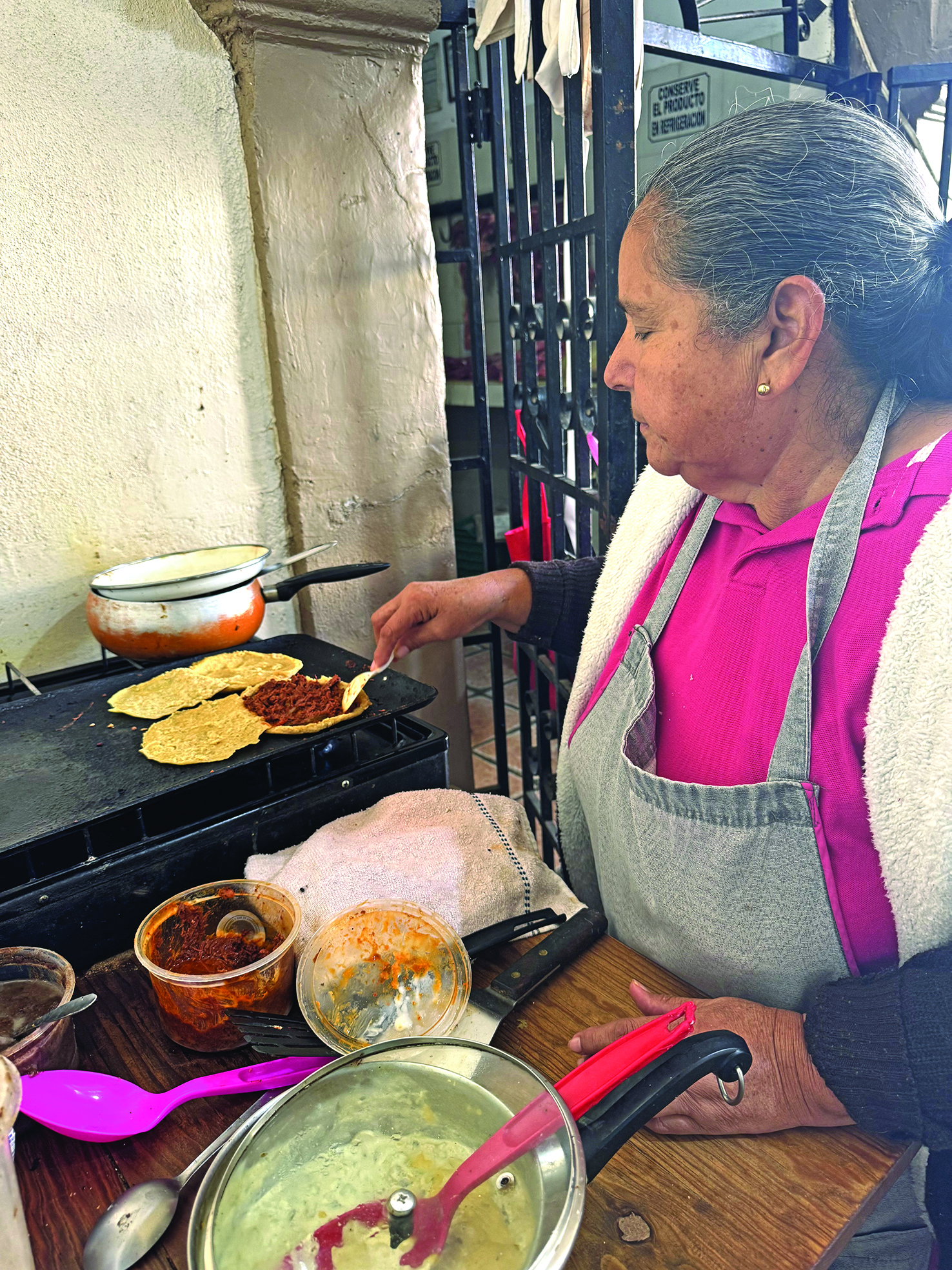
Thinking we would have to wait till next fall to have them again in Peñasco, it was our delight to find smiling, weathered Doña Gloria hand-patting out her freshly ground corn masa into pupusas. I swear I found her in the crowded Álamos, Sonora Mercado purely by searching out the delicious smells of her cooking. Doña Gloria sold out every morning, stuffing the pupusas with homemade rajas con crema, chicharrones, or carne asada. The rajas version was my favorite again, girlfriend loves the savory chicharrones, and meat loving partner the carne asada.
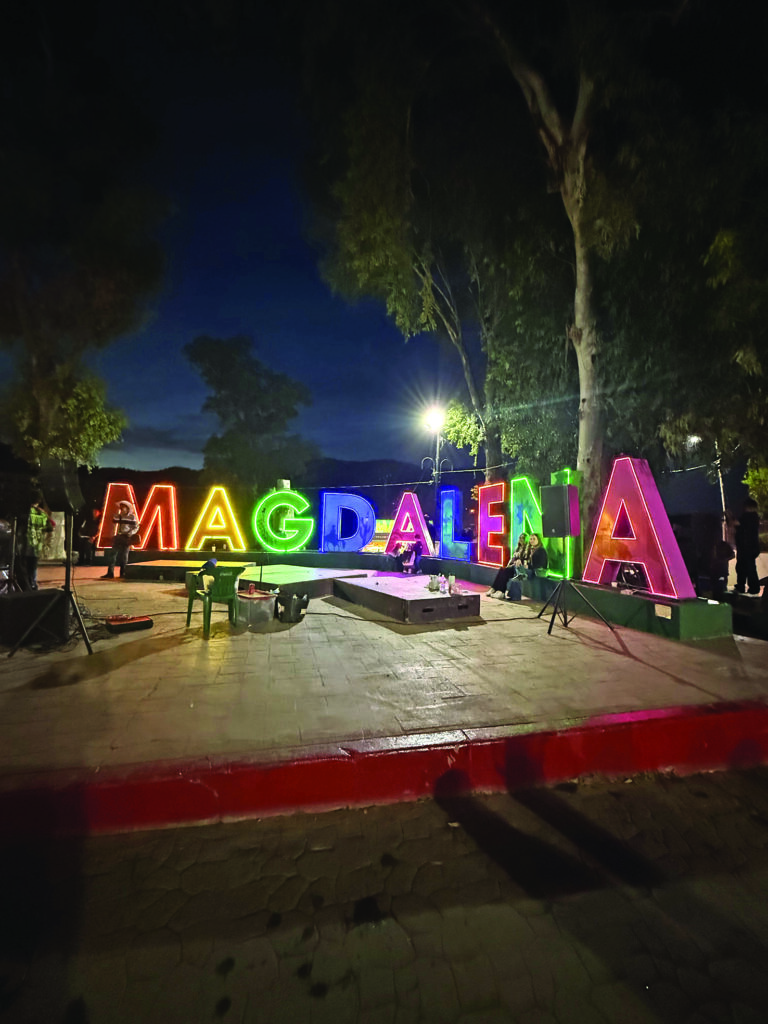
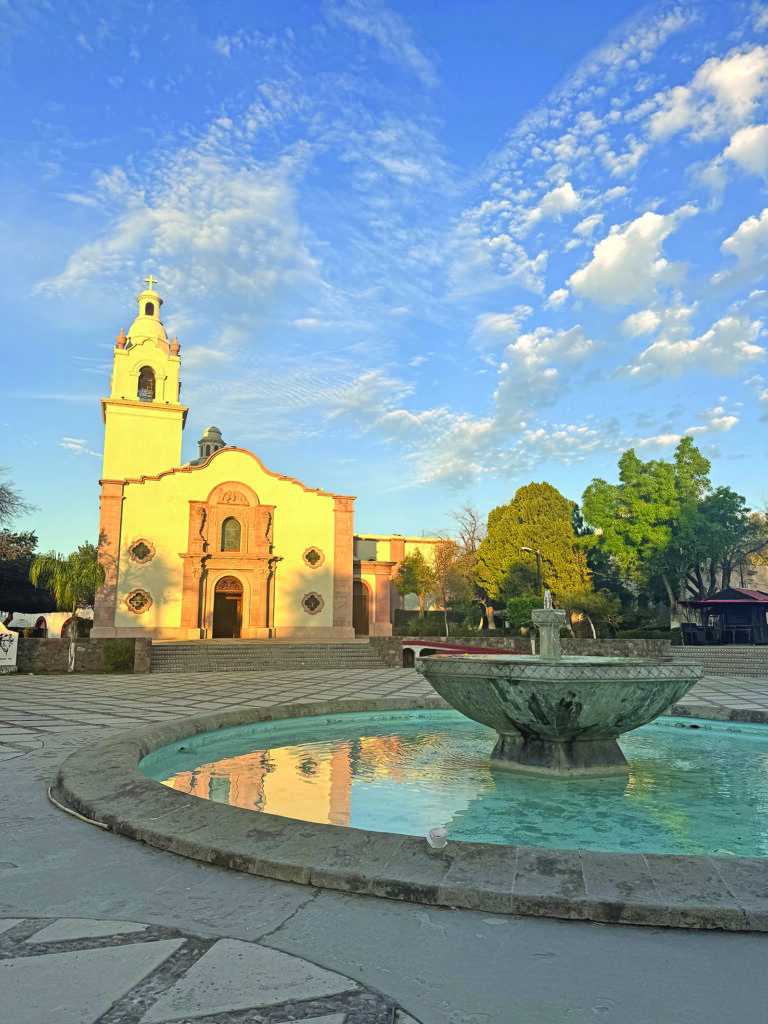
We stayed in Álamos for the month of January, including the week of the world-renowned FAOT music festival, eating pupusas as often as we could get them, listening to great music. Come February 1st, we headed back north via Magdalena de Kino. Magdalena is a sweet village located between Álamos and Nogales, complete with a delightful square, church, gardens, and a river running through the town. We intended to spend the night close to the town square to go for a stroll in the gardens and along the river. Trying to get to the hotel through the traffic this day turned out to be nearly impossible. It seemed that on this Sunday afternoon in February, the whole town was trying to get to the square. We had happened upon the annual Tamale Festival. Such luck!
The square was bursting with families listening to the live band playing local music, young children dancing, tables filled with people eating tamales from the dozens of individual family stands selling their special recipe masa and succulent fillings. We didn’t find any pupusas at the festival, but you guessed it, we did find dozens of different, local creations of homemade masa tamales. Partner ate 9 different kinds! But the star of the show was the rajas con crema you could get ladled over your choice of tamale. A new favorite was born for my taste buds.
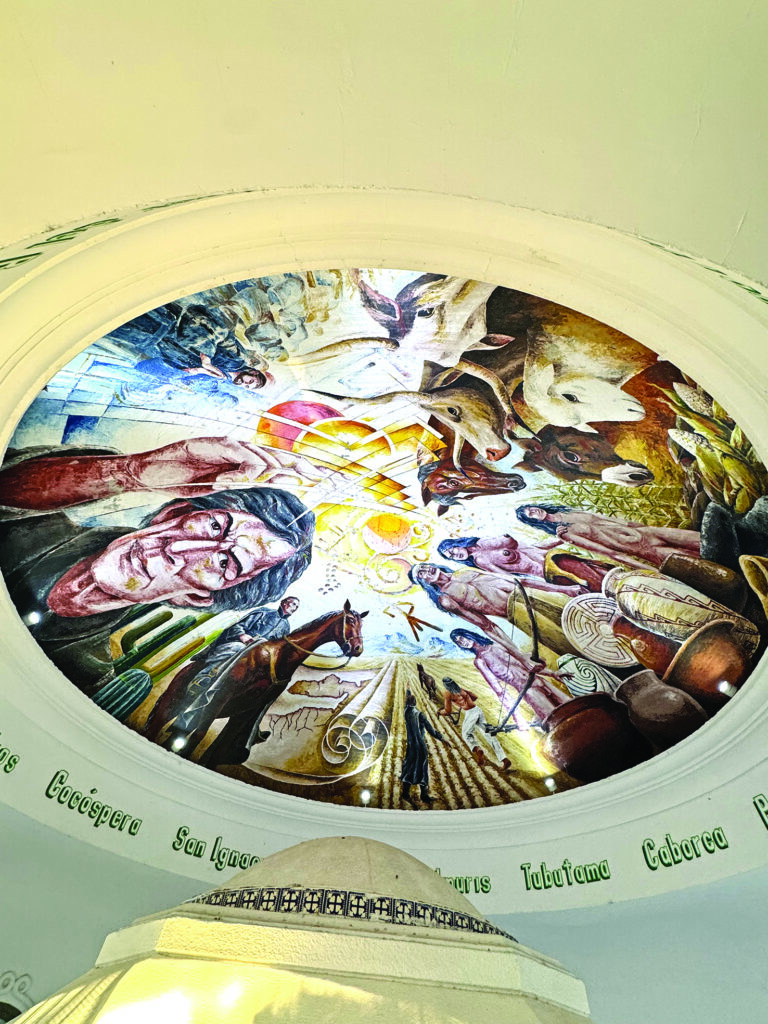
Even if there is not a great festival going on in Pueblo Mágico Magdalena de Kino, it is worth a visit for its quaint square and the Mausoleum of Father Kino. The remains of Padre Kino, the famous Jesuit priest, were found after 250 years of searching in Magdalena in 1966 under an orange tree. In this revered location, the Mausoleum now stands. You can look into the sacred space and see a reenactment of his remains. His actual remains are interred under the Mausoleum. The ceiling of the crypt is artistically adorned with an elaborate mural of local indigenous people, animals, and events. Padre Kino was known for his deep connections to the indigenous people, learning their languages and customs. Magdalena hosts three important festivals a year: the Tamale Festival in early February, the Kino Festival in May, and the Fiestas de Octubre in honor of the town’s patron saint, San Francisco Javier, in October. Inviting you to keep exploring the delightful Pueblos Mágicos of Mexico and its amazing local cuisines. Try a pupusa con rajas, if you get the chance.