¡Feliz Julio Rocky Point! Bam, and our summer is off to a start. Beautiful weather, sunny days, ocean breezes, cool nights…it is fantastic! The bosses at the Rocky Point Times are going to be a tad surprised to get this article early, but it is time to get out of North America, as I am off to a favorite June destination…MYKONOS, GREECE. Like Rocky Point, the June weather is amazing, as is the food, people, and nightlife. I look forward to seeing everyone again this year on the island and having a super chill time. Many visitors and even residents love our beaches and the cooling effects of going in the “ocean,” but many do not know much more than the basics. I have gathered some facts from locals around town, as well as (shocker) from reading some books about our sea, and have put together a short list of some items that hopefully we can all learn a little more about “Rocky Point’s Ocean”.
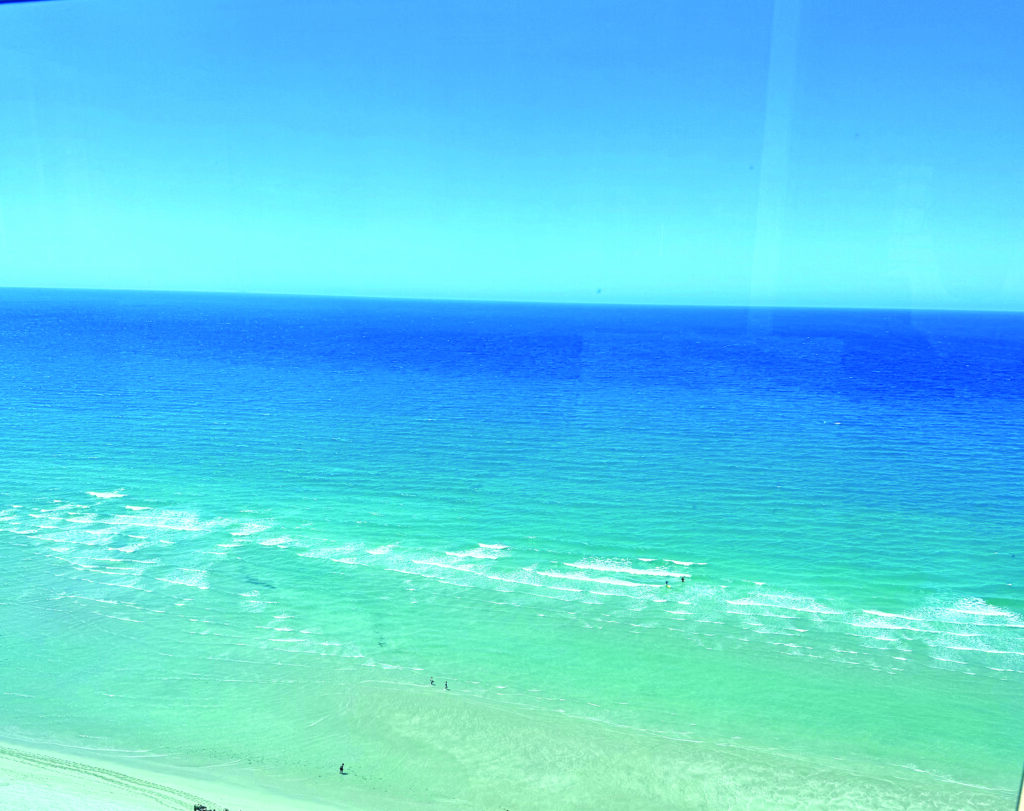
To start, why is it called a sea and not an ocean? There are five massive oceans around the world, and the smaller, shallower cousins of the oceans are referred to as the seas. These seas generally lie along the coastline and are usually home to an amazing number of marine life. The Cortez in the name refers to Hernán Cortés, who was a 16th-century Spanish conquistador and explorer best known for overthrowing the Aztec Empire. The sea was officially named Mar de Cortés all the way back in 1539! The Sea of Cortez also stretches over 700 miles before it eventually spills out into the Pacific Ocean, so it is really large. Here are some other tidbits about our sea…
- In 2019, UNESCO named the Sea of Cortez to its World Heritage Site list due to its exceptional biodiversity, natural beauty, and unique geological features. Jacques Cousteau referred to the Sea of Cortez as the Aquarium of the World due to its large abundance of marine life, with some of it found only in the Sea of Cortez.
- The sea supports over 900 species of fish as well as over 2,000 types of marine invertebrates such as lobster, squid, scallops, crabs, shrimp, and clams.
- The sea serves as a vital nursery for the California grey whale and a seasonal gathering ground for blue whales and whale sharks. We know this in the northern part of the Sea of Cortez when January and February roll around each year, and we can spot the whales from our balconies, beaches, and best yet, out on whale watching expeditions. The Shave the Whale expeditions have always been a hit with me.
- The high evaporation rates in the sea provide the essential moisture-laden air that drives the summer monsoons into the Sonoran Desert. Those who call Arizona home are well aware of the monsoon season in the summer in the southwest.
- The Sea of Cortez is nestled between mainland Mexico and Baja California, helping to isolate the waters from the cool Gulf Stream that heads down the Pacific Ocean, keeping water temperatures on the opposing side of Mexico. This helps keep our water temperatures much warmer throughout the year than the Pacific Ocean.
- Over one-third of the world’s marine mammal species can be found here, including dolphins, sea lions and even the mighty blue whale-the largest animal ever known to exist. The whale watching tours throughout the Sea of Cortez are some of the best spots to see whales on their annual migratory routes.
- The sea is bordered by the states of Baja California Norte, Baja California Sur, Sonora (Peñasco’s state) and Sinaloa, with a coastline of more than 2,500 miles! Rivers that flow into the sea include the Colorado, Fuerte, Mayo, Sinaloa, Sonora, and the Yaqui. The maximum depths of the sea are almost 10, 000 feet down!
- The Sea of Cortez contains 37 major islands, the two largest being Isla Angel de la Guarda and Isla Tiburon. Most of the islands are found on the west side of the sea. The sea has more than 900 islets. In June of 2000, these islands were designated as a flora and fauna protection area.
- Fishing has been a great source of sport in the sea for centuries. The array of fish, the porous rocks that line the coastline, and the warmer water temperatures make it an ideal spot that attracts so many diverse fish species. This has resulted in many fishing world records being achieved right in our backyard. Personally, I have seen some other fishy records being broken in our backyard…mostly at the cantinas 😊!
- Locals have alleged the existence of a giant creature known as The Black Demon of the Sea of Cortez. It is usually considered to be a black shark which weighs up to 100,000 pounds! Talk about a whopper! SHEESH!
Sooo, there is so much to explore here in our sea. Whether by view from the land, wading out to sea, flying overhead, or hopping on a boat, there are so many ways to see, explore, and get to know Rocky Point’s sea a bit better. Cheers and happy exploring!
Happy 4th of July!!!
ADIOS AMIGOS, GOD BLESS
Marco